10/20/2026
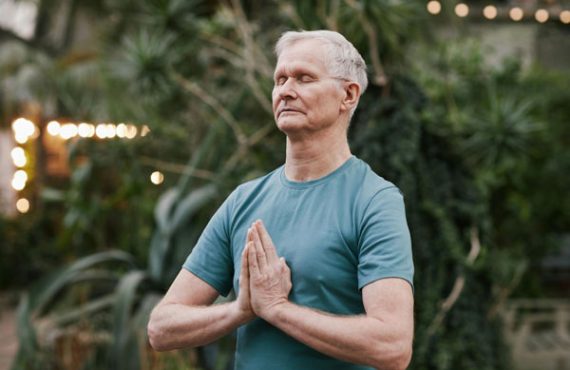
VA News – Wellness comes from balancing action with rest. Practices like Yin meditation can help reduce stress, improve mindfulness, and bring a greater sense of calm to everyday life. A recent VA Whole Health article



10/20/2026
VA News – Wellness comes from balancing action with rest. Practices like Yin meditation can help reduce stress, improve mindfulness, and bring a greater sense of calm to everyday life. A recent VA Whole Health article

10/15/2026
VA News – From mental health and telehealth to urgent and specialty care, more Veterans are choosing VA healthcare and discovering benefits they may not have realized were available. From primary care and mental health

10/13/2026
VA News – A healthy spine helps keep you moving, active, and feeling your best. Even simple activities like walking, yoga, and daily mobility exercises can help improve overall health and quality of life. A healthy spine
10/08/2026
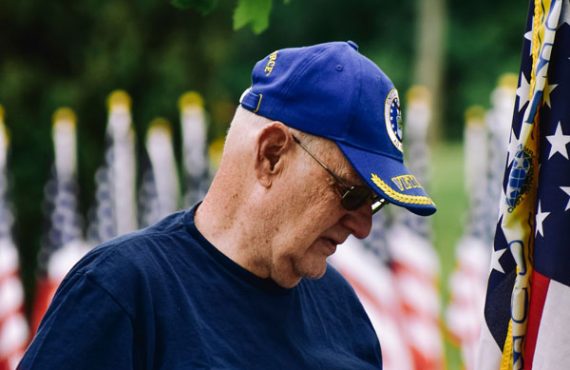
U.S. Department of Veteran Affairs – Turning 65? Don’t overlook your healthcare benefits. Veterans may be eligible for VA healthcare, Medicare, and TRICARE for Life. Understanding your options now can help you get the

10/06/2026
News in Health – The thymus acts as a training center for T cells, helping the immune system protect us from infections and disease. Researchers are continuing to uncover just how important this small

10/01/2026
the SITREP – VA health care eligibility is about more than income, combat service, or disability status. Don’t let myths keep you from the care you’ve earned. Apply today and let VA determine whether you qualify.

09/29/2026
U.S. Dept. of Veteran Affairs – For over 160 years, VA’s Domiciliary Care Program has supported Veterans’ health, recovery, and well-being. Its origins date back to 1865, when President Lincoln established homes for wounded

09/24/2026
Health.mil – Leaving the military comes with big life changes. A new policy helps support transitioning service members by requiring a mental health assessment within 180 days of separation to identify any ongoing care

09/22/2026
VA News – Nearly one in four Veterans lives in a rural area, where specialty care can require hours on the road. Through VA “Close to Me” cancer care, Veterans can now access critical
09/17/2026
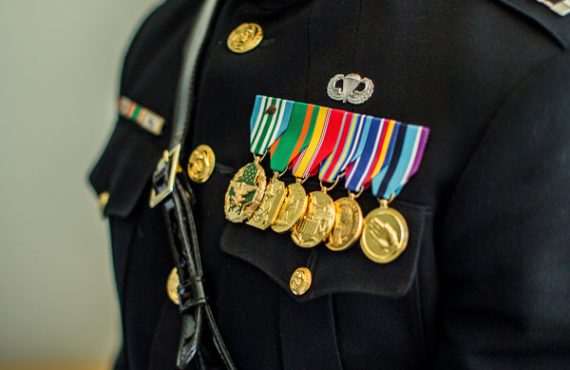
the SITREP – Ever wondered what Stolen Valor really is? Learn how to recognize false military claims, separate fact from fiction, report concerns the right way, and be better equipped to protect the honor of those
Mid-Cities Home Delivery Service, LLC is a Service-Disabled Veteran Owned and Operated Small Business.
| place | 3017 Red Hawk Drive Grand Prairie, TX 75052 |
| phone | (888) 450-6676 (TX) (833) 986-4267 (AZ & CA) (866) 273-7456 fax |
| mail_outline | info@mid-citiesmedical.com |
| language | www.mid-citiesmedical.com |
 |
Certified Service Disabled Veteran Owned Small Business |
 |
The Joint Commission Accreditation Gold Seal |
 |
|
